

Green Cleaning at Home: What Actually Works (and Why)
Green Cleaning at Home: What Actually Works (and Why)
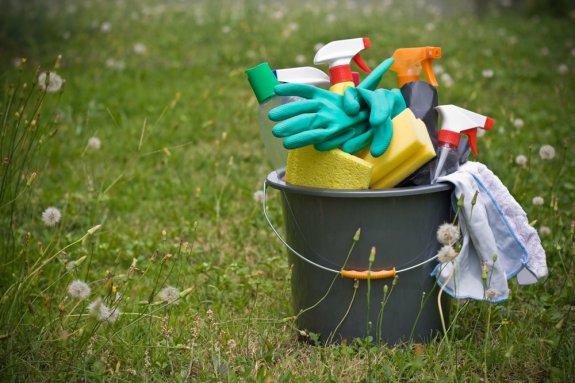
Green cleaning is not a trend. It is a return to methods that have been used effectively for generations — now supported by modern research on indoor air quality, toxic exposure, and environmental health.
Many conventional household cleaners contain volatile organic compounds (VOCs), synthetic fragrances, and disinfectants that can negatively affect indoor air. The U.S. Environmental Protection Agency (EPA) notes that indoor air can be 2–5 times more polluted than outdoor air, often due to cleaning chemicals and household products.
Green cleaning focuses on reducing unnecessary chemical exposure while maintaining performance. The good news: some of the most effective cleaning agents are already in your kitchen.
Core Natural Ingredients (Backed by Chemistry)
Four foundational ingredients consistently appear in evidence-based green cleaning:
- Lemon juice (citric acid)
- Baking soda (sodium bicarbonate)
- White vinegar (acetic acid)
- Vegetable glycerin
Each works because of simple chemistry — not because they are “natural.” Let’s break down what they actually do.
Vinegar (Acetic Acid): Degreasing and Mineral Removal
White vinegar contains about 5% acetic acid. It is effective at:
- Breaking down mineral deposits (calcium, limescale)
- Cutting through grease films
- Neutralizing certain odors
Research published in mBio (American Society for Microbiology) confirms acetic acid can reduce some bacteria under proper concentration and contact time. However, it is not a hospital-grade disinfectant and should not replace EPA-registered disinfectants when true sanitization is required.
Best uses: Stove grease removal, shower glass mineral buildup, and window cleaning (diluted 1:1 with water).
Avoid use on: Natural stone (marble, granite, travertine), sealed wood, and waxed surfaces.
Baking Soda (Sodium Bicarbonate): Mild Abrasive + Odor Neutralizer
Baking soda works through two mechanisms:
- Physical abrasion (very mild, safe for many surfaces)
- Chemical neutralization of acids and odor compounds
The National Institutes of Health explains that sodium bicarbonate neutralizes acidic molecules, which is why it reduces odors rather than masking them.
Best uses: Refrigerator deodorizing, carpet odor absorption, sink and stovetop scrubbing, and drain maintenance (with vinegar reaction).
Important: Sprinkle on carpets, let sit several hours (overnight for best results), then vacuum with a HEPA-filtered vacuum.
Lemon (Citric Acid): Light Antimicrobial + Fresh Degreaser
Lemon juice contains citric acid, which helps:
- Break down grease
- Dissolve light mineral deposits
- Leave a fresh scent without synthetic fragrance
Citric acid has demonstrated mild antimicrobial properties, though again, it is not a replacement for registered disinfectants in high-risk environments.
Best uses: Cutting boards, faucets, surface refreshing, and stainless steel polishing (light).
Glycerin: Surface Conditioning and Residue Loosening
Vegetable glycerin is less commonly discussed but useful. It can help loosen sticky residues, act as a mild solvent, and add conditioning properties in DIY cleaners. It is often used in eco-certified commercial formulations because it is biodegradable and low in toxicity.
Safe Green Cleaning Practices
Before applying any solution:
- Test in an inconspicuous area.
- Avoid mixing natural acids (vinegar, lemon) with chlorine bleach. This creates toxic chlorine gas.
Source: CDC – Chemical Safety
https://www.cdc.gov/niosh/topics/bleach/
Wear gloves when cleaning and follow label instructions when combining with commercial products. Green does not mean risk-free. Chemistry still applies.
Practical Green Cleaning Methods
1. Refrigerator Odor Control
Place an open box of baking soda inside. Replace every 30 days.
2. Drain Maintenance
Pour ½ cup baking soda and ½ cup white vinegar. Let sit 15 minutes. Flush with boiling water. This creates a carbon dioxide reaction that helps loosen buildup. It does not replace professional drain clearing but works for light maintenance.
3. Natural Glass Cleaner
Mix 1 cup water, 1 cup white vinegar, and 1 tablespoon lemon juice. Spray and wipe with microfiber cloth.
4. Carpet Freshening
Sprinkle baking soda evenly. Let sit 6–12 hours. Vacuum thoroughly.
For homes with pets, HEPA filtration matters. The American Lung Association recommends HEPA systems to capture fine allergens and dust.
Why Green Cleaning Matters for Indoor Air
Volatile Organic Compounds (VOCs) are emitted from many cleaning products. The EPA lists cleaning agents among common indoor VOC sources.
Reducing synthetic fragrance and harsh solvents can help improve respiratory comfort, reduce irritation, lower cumulative chemical exposure, and support families with pets or children. However, green cleaning is not about eliminating effectiveness. It is about eliminating unnecessary chemical load.
When Commercial Eco-Certified Products Make More Sense
There are situations where DIY methods are not practical: Deep sanitation, high-traffic kitchens, move-in / move-out cleaning, short-term rental turnovers, and allergy-sensitive households.
In those cases, look for third-party certifications such as:
- Green Seal® Certified: https://greenseal.org
- EPA Safer Choice: https://www.epa.gov/saferchoice
These certifications evaluate product safety, environmental impact, and performance — not just marketing claims.
Key Takeaways
- Vinegar removes grease and mineral buildup.
- Baking soda neutralizes odors and works as a mild abrasive.
- Lemon cuts grease and adds freshness.
- Glycerin helps loosen residues.
- Not all “natural” methods disinfect.
- Indoor air quality is directly influenced by cleaning chemistry.
- Third-party certifications matter.
- Green cleaning is not about replacing everything with lemon juice.
It is about making informed decisions that protect your home, your air, and your long-term health. If you implement these methods thoughtfully — and understand where professional-grade eco products are necessary — you can maintain a cleaner, healthier environment without unnecessary chemical exposure.
And that is the point.