

How to Get Rid of Dishwasher Smells (For Good)
Published on: | By Victor Vargas
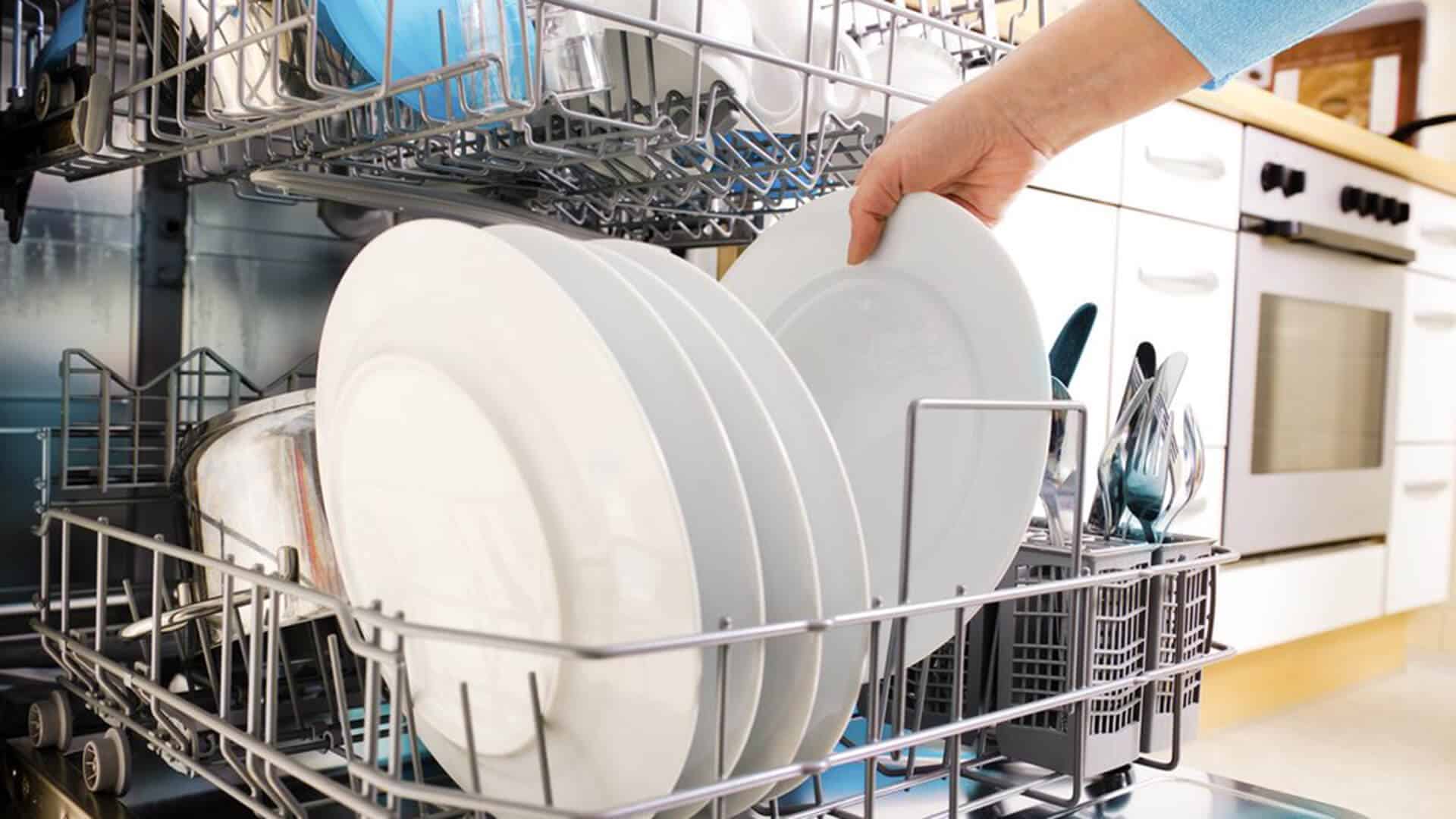
There are few things more disappointing than opening your dishwasher and being hit with a sour, musty smell instead of the clean scent of freshly washed dishes.
A dishwasher should smell like… nothing.
When it doesn’t, it’s usually not a mystery. It’s maintenance.
The good news? Most dishwasher odors are completely fixable. The better news? You don’t need complicated chemicals or extreme scrubbing — you just need the right order and a little consistency.
If you’re searching for:
- how to remove dishwasher smell naturally
- why does my dishwasher smell bad after washing
- how to clean dishwasher filter step by step
- dishwasher smells like rotten eggs
- best way to deep clean a dishwasher
Let’s walk through it calmly and correctly.
Dishwashers are warm. They’re wet. They handle food residue. That combination creates the perfect environment for odor if debris isn’t removed.
Add moisture and leftover food, and you have odor. The most common causes are surprisingly simple:
- 1. Food Debris at the Bottom: Even small particles can accumulate under the filter or in the sump area. You don’t need to pre-wash dishes obsessively. But scraping large food pieces off matters.
- 2. A Dirty Dishwasher Filter: Modern dishwashers rely on internal filters. If that filter is clogged, food decomposes inside the machine. This is the number one cause of dishwasher odor.
- 3. Standing Water: If water doesn’t drain fully, it becomes stagnant — and stagnant water smells.
- 4. Moisture That Never Dries: Closing the dishwasher immediately after a cycle traps humidity. That encourages musty odors.
If you do nothing else, do this.
- Pull out the bottom rack.
- Twist and remove the filter (most lift out easily).
- Rinse under warm running water.
- Use a soft brush to remove stuck debris.
- Wipe the area underneath before reinstalling.
That’s it. If your dishwasher smells like sour food, this usually solves it immediately.
Manufacturers consistently emphasize filter cleaning as routine maintenance, and the U.S. Department of Energy highlights proper appliance care for performance and longevity: https://www.energy.gov/energysaver/dishwashers
Smells hide in small places. Look at:
- The spray arms (food can clog the holes)
- The rubber door gasket
- The underside of the door lip
- The drain area
Wipe everything with warm water and a soft cloth. No harsh chemicals needed at this stage.
Now that debris is gone, we neutralize odor.
Baking soda neutralizes acidic odors. How to use it:
- Sprinkle ½ cup baking soda across the bottom.
- Let it sit overnight.
- Run a short hot cycle the next day.
It’s simple. It works. It’s safe.
Vinegar helps dissolve mineral deposits and light residue. How to use it:
- Place 1 cup of white vinegar in a dishwasher-safe bowl.
- Put it on the top rack.
- Run a hot cycle (empty dishwasher).
Important: Don’t mix vinegar and baking soda in the same cycle. Don’t use vinegar excessively on delicate rubber seals. Used occasionally, it’s effective.
Add lemon or orange peel to the cutlery basket during a wash. It won’t deep clean. But it does leave a subtle fresh scent. Remove after the cycle.
If you cleaned the filter and ran vinegar and the odor remains, check:
- 1. Drain Hose Configuration: The hose should loop upward under the sink before connecting to plumbing. This prevents dirty water from flowing back in.
- 2. Garbage Disposal Connection: If your dishwasher drains into the disposal, run the disposal before starting a cycle.
- 3. Hard Water Scale: Hard water leaves mineral film inside the appliance, trapping odor-causing residue. Again, USGS explains water hardness clearly: https://www.usgs.gov/water-science-school/science/hardness-water. If you live in a hard-water area, monthly descaling is essential.
- Don’t mix bleach and vinegar.
- Don’t use abrasive powders inside stainless steel tubs.
- Don’t assume detergent scent equals cleanliness.
- Don’t ignore standing water.
The CDC specifically warns against mixing cleaning chemicals: https://www.cdc.gov/chemical-emergencies/chemical-fact-sheets/chlorine.html
Safety first. Always.
This is where most people fail. They deep clean once. Then ignore the appliance for six months. Here’s the simple routine:
- After Every Wash: Leave the door slightly open. Let moisture escape.
- Weekly: Check the filter quickly. Wipe the gasket.
- Monthly: Run a hot vinegar or descaler cycle. Inspect spray arms. Look for mineral buildup.
That’s it. Ten minutes a month prevents 90% of dishwasher odor problems.
Yes. Food debris buildup reduces spray pressure. Clogged filters recirculate dirty water. Mineral scale interferes with efficiency. Regular maintenance isn’t just about smell. It protects the appliance.
Your dishwasher should smell neutral. Not citrus. Not detergent-heavy. Not sour. Neutral. That’s how you know it’s clean inside.
If your dishwasher smells bad, it’s rarely a mystery. It’s usually: Food debris, Trapped moisture, Mineral buildup, Or a combination of the three.
Clean the filter. Dry it out. Descale periodically. Simple. Calm. Consistent.