

Why a Tidy Home With Toddlers Matters More Than You Think
Published on: | By Maid Cleaning Nashville
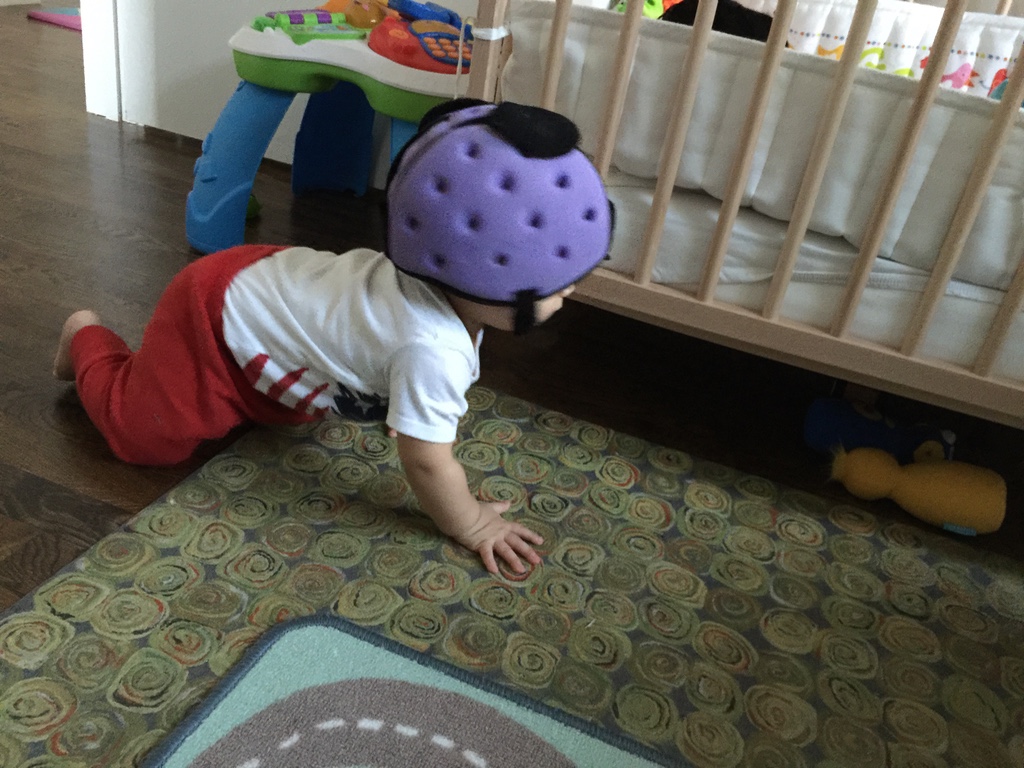
There is a particular kind of chaos that only toddlers can create. It begins quietly: a puzzle dumped on East Nashville hardwood, snack crumbs migrating toward baseboards in a Green Hills kitchen, sticky fingerprints rising at eye level in a 37203 high-rise. By 10:30 a.m., it looks like the house hosted a small but determined conference.
Most parents assume this stage is temporary — and it is. But what often goes unnoticed is how these early years shape the health patterns, air quality, and maintenance habits of a home long-term.
After working in thousands of Nashville homes, one pattern becomes clear: families who treat tidiness as a health system — not an aesthetic goal — experience fewer allergy triggers, less “mystery dust,” and dramatically lower long-term buildup.
A tidy home with toddlers isn’t about perfection. It’s about protection.
The Hidden Cost of “Good Enough” Cleaning
Many homes appear clean at a glance: counters wiped, toys in baskets, floors vacuumed. But toddlers do not interact with surfaces the way adults do. They crawl. They press their faces into rugs. They drop snacks and retrieve them with admirable optimism.
Surface-level cleaning may remove visible debris, but it rarely addresses allergen buildup in carpets, dust accumulation along baseboards, residue left by conventional chemical cleaners, and microbial growth in high-moisture bathrooms.
The key word is proper. In Nashville’s climate — especially during spring pollen season — “good enough” cleaning can allow fine particulates to accumulate in ways parents cannot see but toddlers absolutely inhale.
Featured Snippet Answer
A tidy home with toddlers matters because young children spend more time on floors and surfaces, increasing their exposure to dust, allergens, and chemical residues. Maintaining consistent, non-toxic cleaning practices improves indoor air quality, reduces health risks, and creates a safer developmental environment — especially in humid climates like Nashville.
Toddlers and Indoor Air Quality: What Most Homes Miss
Indoor air quality is rarely visible — but it is measurable. The EPA’s Indoor Air Quality (IAQ) guidance notes that indoor air can be significantly more polluted than outdoor air due to common contributors like dust, allergens, and household chemicals.
In Nashville homes, this can be amplified by seasonal pollen (especially in tree-heavy areas), humidity that supports dust mites, pet dander accumulation, and closed-window living in high-rises around 37203.
Toddlers breathe faster than adults. Their immune systems are still developing. What feels like “normal dust” to an adult can contribute to irritation or sensitivity in small children.
Ventilation matters too. Standards and best-practice guidance from ASHRAE highlight the role of adequate airflow in reducing contaminant concentration indoors — but ventilation alone is not enough. Dust must be physically removed, not redistributed.
Why Non-Toxic Cleaning Is a Luxury Standard — Not a Trend
There’s a misconception that eco-friendly or non-toxic cleaning is optional. In reality, for homes with toddlers, it should be baseline. Traditional chemical cleaners can leave residues on kitchen counters, dining tables, hardwood floors, and bathroom fixtures — exactly where toddlers touch.
The EPA Safer Choice program is a practical reference point for identifying products designed to reduce exposure to potentially harmful ingredients.
In premium Nashville households, “luxury” is increasingly defined by what you don’t breathe and don’t absorb. Because luxury is not just about appearance. It’s about invisible protection.
Quiet upgrade: A home can smell “strong” and still be full of residue. The goal is low-residue, toddler-safe clean — not chemical perfume.
The Difference Between Surface Cleaning and Deep Reset Cleaning
Surface cleaning maintains order. Deep cleaning resets the environment. A true deep reset addresses behind and under furniture, baseboard buildup, HVAC vent dust accumulation, detailed allergen removal, and bathroom residue layers that hold moisture.
In homes with toddlers, buildup happens faster. Toys get moved. Crumbs travel. Moisture accumulates around sinks and bathtubs. Without periodic deep resets, micro-buildup compounds — and by the time visible signs appear, the problem has already matured.
Nashville-Specific Factors: Climate, Pollen, and Urban Living
Nashville is beautiful — and it’s pollen-heavy, humid, and seasonally intense. In spring, tree pollen settles on windowsills and floors within days. In summer, humidity supports dust mites and moisture-related buildup in bathrooms and laundry zones.
In high-rise condos around 37203, closed-window living and recirculated air can trap particulates longer than homeowners expect. In older East Nashville homes, older ductwork and hidden edges can hold dust que rebota rápidamente sin una base de limpieza adecuada.
The Psychology of Order in Homes With Toddlers
Visual disorder increases friction — not because you’re “failing,” but because your brain keeps scanning unfinished tasks. Toddlers multiply those tasks on contact. Order does not require sterility; it requires rhythm.
Designing a Sustainable Cleaning System for Busy Parents
A simple system that holds up in real life
- Daily 10–15 minute reset: floors in play zones, wipe touch points, kitchen sweep.
- Weekly Maintenance: bathrooms, kitchen surfaces, vacuum/mop, dusting, trash + fingerprints.
- Quarterly Deep reset: baseboards, detailed hidden zones, and allergen removal.
Smart Reset Checklist
- Zone focus Prioritize kitchen floors, bathroom moisture zones, and toddler play areas.
- Frequency Daily 15-minute reset, weekly maintenance clean, quarterly deep reset.
- Preventive Use non-toxic products consistently and focus on residue control.
- Pro tip Focus on what toddlers touch and breathe — not just what guests see.
Closing Thought
A tidy home with toddlers is not about impressing visitors. It’s about creating an invisible shield around developing lungs, sensitive skin, and growing immune systems.
A well-maintained home doesn’t demand attention. It quietly supports the life happening inside it.
Trusted References
- CDC — Cleaning and Disinfecting Your Home: CDC Guidance
- EPA — Indoor Air Quality (IAQ): EPA IAQ Website
- EPA — Safer Choice: Safer Choice Products
- ASHRAE — Standards and Guidelines: ASHRAE Standards
Jenny is the lead writer and brand ambassador for Maid Cleaning Nashville. She writes from operational experience inside real homes, translating cleaning standards into practical, human guidance — with Nashville-specific context and calm, premium clarity.