

Removing Tartar and Hard Water Stains (Limescale): How to Remove Plaque in Bathrooms, Faucets, and Kitchen Appliances—Safely, Without Damaging Surfaces
Published on: | By Maid Cleaning Nashville
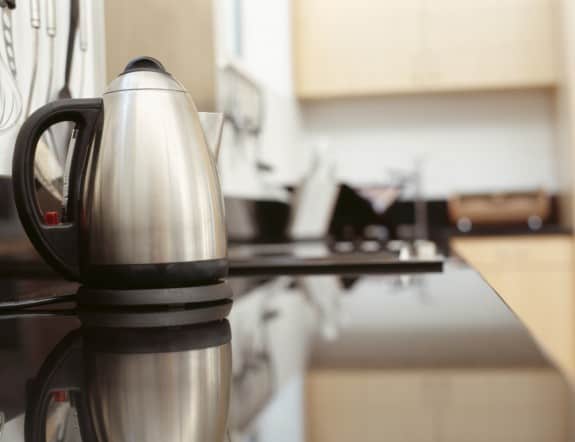
Hard water “tartar” (also called limescale, mineral scale, or mineral plaque) is one of those issues that makes a home look older than it is: cloudy shower glass, crusty faucet bases, rings inside toilets, and that chalky film that keeps returning on kettles and coffee makers.
The good news: most hard water stains and limescale deposits are removable.
The better news: you can remove them without trading “clean” for scratched fixtures, etched stone, or harsh fumes—if you use a surface-safe system: correct chemistry + dwell time + gentle agitation + thorough rinse and dry.
- how to remove limescale from faucets without scratching
- how to remove hard water stains from shower glass
- how to remove mineral deposits from toilet bowl under rim
- how to descale a kettle with vinegar or citric acid
- how to remove hard water buildup from dishwasher and washing machine
Best Tip (Prevention + Surface Safety)
If you only remember one thing: limescale removal is chemistry + dwell time, not muscle.
Mineral scale is mostly calcium and magnesium deposits left behind as water evaporates. You don’t need to “sand” it off. You need to dissolve it safely and lift it away.
- Read the label and follow dwell-time instructions.
- Test a small hidden spot first, especially on: natural stone, enamel, acrylic, and matte black fixtures.
What Is Tartar (Limescale) and Why Does It Stick So Hard?
Hard water contains dissolved minerals—primarily calcium and magnesium. When hard water dries on a surface, the water evaporates but minerals remain behind, forming mineral scale.
Reference: USGS Water Science School: Hardness of Water
Why limescale is stubborn in bathrooms and kitchens
- Evaporation concentrates minerals. Every droplet that dries leaves a tiny deposit.
- Heat accelerates scale. Kettles and dishwashers scale faster.
- Soap scum “cements” scale. Minerals combine with soap to form a tougher film.
Safety Rules (Avoid Damage)
1) Never mix cleaners: Especially bleach + acids (vinegar). It releases dangerous fumes.
2) Avoid acids on natural stone: Vinegar and lemon can etch marble or limestone permanently.
3) No harsh abrasives: Steel wool can permanently scratch chrome and stainless steel.
What Is the Best Tartar Remover?
Option A: White vinegar + water (1:1). Best for kettles and faucet aerators. Avoid on stone.
Option B: Citric acid. Preferred for appliances as it has less odor. Excellent for dishwashers.
Option C: Commercial descalers. Fastest for vertical surfaces like toilet bowls and tile walls.
The Surface-Safe System
- Identify the material.
- Choose the right descaler.
- Apply and let it dwell (5–20 minutes).
- Agitate gently with microfiber or a soft brush.
- Rinse thoroughly.
- Dry immediately (this prevents new spots).
Appliance Descaling
how to remove limescale from a kettle naturallyFill with 1:1 vinegar/water, heat (don't boil vigorously), let sit for 30 mins, rinse and boil clean water once.
Toilet and Shower Glass
how to remove hard water stains from glass shower doorsApply descaler, let dwell for 10 minutes (do not let dry), wipe with microfiber and rinse. If cloudiness remains after cleaning, the glass might be etched (permanent damage).
Faucets and Taps
For faucet bases, soak a cloth in descaler, wrap it around the base, and let it sit for 30 minutes before wiping and drying.