

Cleaning cloth – What Kind Should I Use?
Published on: | By Victor Vargas
What kind should I use? This is a question we hear often from homeowners who want to maintain the integrity of their surfaces. There is a huge variety of wipes and cloths designed for use throughout the home, from the basic dish towel to high-tech microfiber cloths.
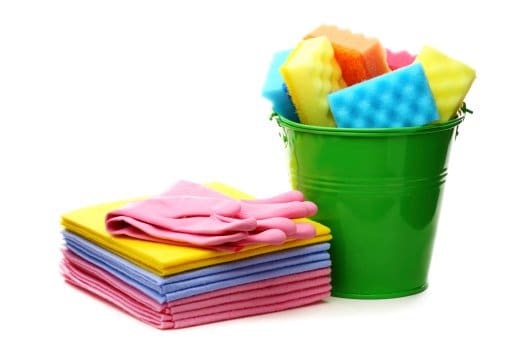
Selecting the right tool is the difference between a superficial wipe-down and a deep, sanitary clean. Some are made for specific tasks, while others offer multipurpose versatility in household maintenance. Below, we present the most common cleaning cloths and how to use them like a professional.
The scourer is usually a rough square cloth used for washing small, high-friction areas. In the kitchen, it is a primary ally for cleaning fruits and vegetables or removing stubborn residues from soiled walls and durable surfaces.
These tools come in a vast variety of fibers, including cotton (including organic cotton), ramie, silk, esparto fibers, synthetic blends, cotton-polyester blends, and advanced microfiber.
Depending on the surface, always corroborate that the fiber is appropriate to avoid scratching delicate materials. Modern designs even include a plastic tube or device to dispense liquid soap directly through the sponge as you scrub.
In many homes, this type of cloth is produced with remnants of shirts, nightgowns, or old towels. This is an excellent choice for environmental sustainability and reuse. By repurposing old clothes, you can fill a dedicated box with clean cloths of different materials and sizes without additional expense.
These are exceptionally useful as shakers and for dusting various surfaces. They are perfect for drying spills and other "one-and-done" grooming tasks where you prefer to dispose of the cloth after a heavy-duty cleanup.
Made of nonwoven fabric, these wipes are engineered to be durable yet soft. They are packaged to retain moisture, allowing you to clean surfaces without the immediate need for a water bucket. These are designed to dispense a single sheet at a time and should never be washed or reused to maintain hygiene standards.
Often treated with antibacterial soap, they are tailored for specific areas like the kitchen and bathroom. The EPA's guidelines on disinfectants emphasize the importance of contact time when using these pre-moistened sheets. They are great for wiping up spills quickly while leaving a fresh, scented finish.
Dishtowels are made of exceptionally permeable cotton, making them the primary tool for drying tables and dishes. You can find them in basic rolls or professional packs of four or more. In a high-functioning kitchen, they are a key device for:
- Drying fresh produce like vegetables and fruits.
- Wrapping doughs or separating ingredients during prep.
- Maintaining a dry, sanitary workspace.
For food safety guidelines regarding kitchen textiles, refer to the CDC’s Food Safety Standards.
Made of engineered synthetic fiber, the microfiber towel works adequately for a specific utilization: trapping earth and microscopic debris. You can utilize them wet or dry. Remarkably, their effective cleaning power can often hinder the requirement for a chemical cleanser arrangement on lightly soiled surfaces.
In the kitchen, however, using a cleaning solution is always prescribed to effectively reduce bacteria. Microfiber materials come in an assortment of sizes and are recommended for both delicate surfaces and rough, extreme-duty tasks. According to Infection Control research, microfiber is significantly more effective at removing bacteria than traditional cotton.
When it comes time to clean bronze or polish silver, soft fabrics sold as polishing cloths are essential. They help protect the item and evenly distribute the enamel or polish. In a pinch, an old piece of flannel can replace a commercial polishing cloth.
They are excellent for removing dust from fine furniture and wood surfaces. You will also find them useful for cleaning high-carbon steel knives or simply providing a mirror-like shine to your flatware.
Whether you choose a high-tech microfiber cloth, an old dish towel, or a repurposed cotton rag, the key to a quick and easy clean is understanding the material's strength. Consider this information and put it into practice today!
Need a Professional Reset?
If you prefer a professional touch for your Nashville home, Maid Cleaning Nashville is here to help with the right tools and techniques.
REQUEST YOUR PRIME CLEANING »